
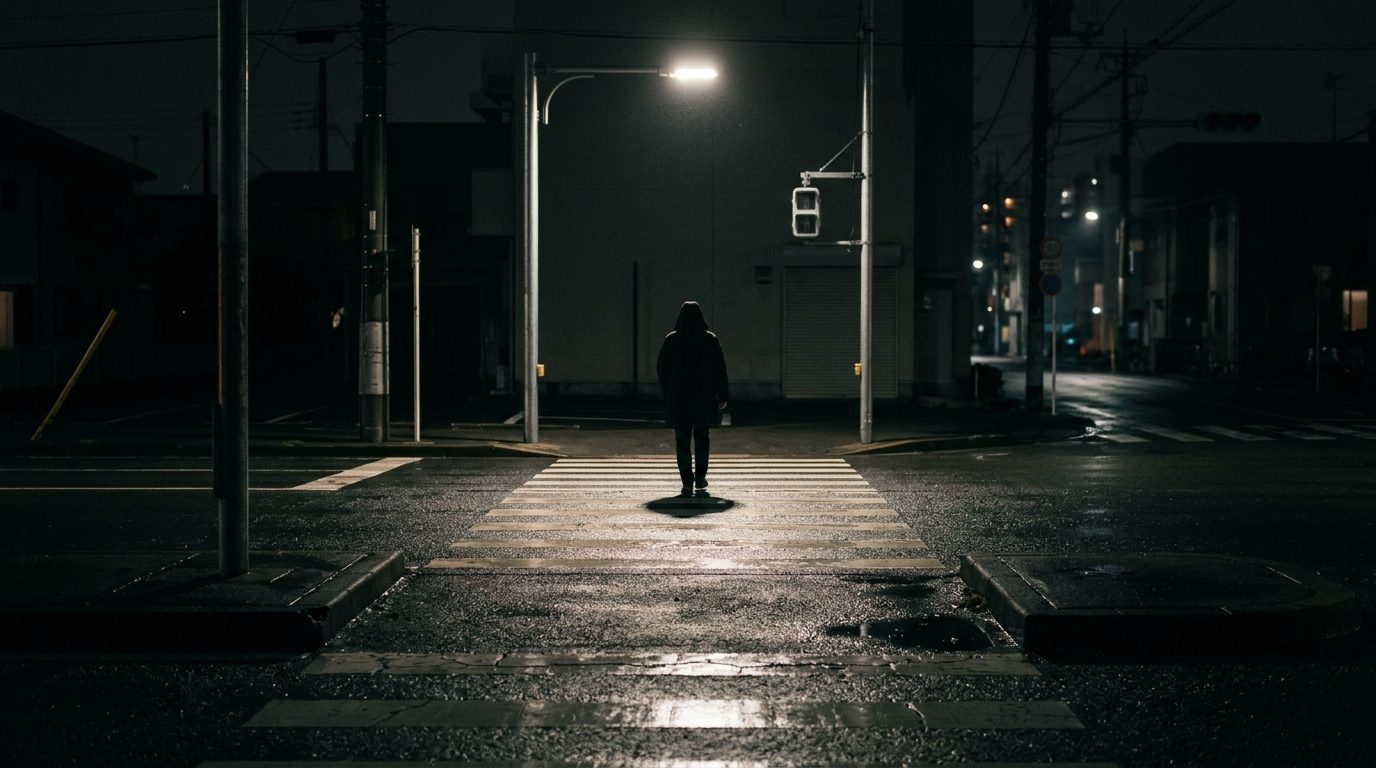
A crosswalk that feels safe at noon can feel very different after dark. Drivers see less, react later, and may not spot someone in dark clothing until they’re close. Good street lighting is one of the simplest ways to close that gap.
Night driving is riskier
The Federal Highway Administration notes that roughly as many fatal crashes happen in darkness as in daylight, even though only about 25% of vehicle miles are driven at night. That means the nighttime fatality rate is about three times the daytime rate (FHWA). At night, drivers traveling at speed may not be able to stop once a hazard appears in their headlights.
What lighting does for people on foot
FHWA lists lighting as one of its “Proven Safety Countermeasures.” According to FHWA, lighting can reduce (FHWA):
- Nighttime injury pedestrian crashes at intersections by up to 42%.
- Nighttime crashes at rural and urban intersections by 33 to 38%.
- Nighttime injury crashes on rural and urban highways by up to 28%.
FHWA also notes that adequate lighting brings benefits for personal security, for people walking, using wheelchairs, cycling or waiting for transit, and that agencies should consider factors such as nighttime crash history, numbers of people walking, crosswalks and transit stops when deciding where to light intersections.
Lighting is often paired with other crossing improvements. FHWA describes “crosswalk visibility enhancements,” such as better lighting, high-visibility markings and advance warning signs, as measures that work together to help drivers see pedestrians, particularly at night (FHWA STEP).
Signs a street may be under-lit
- Dark gaps between streetlights, especially at crosswalks or bus stops.
- A streetlight that’s out, flickering, or on during the day.
- Trees or signs blocking the light.
- Crossings where you can’t see a driver’s face, or they can’t see yours.
- Hazards you only notice in daylight, such as a lifted sidewalk slab. Our guide to sidewalk trip hazards explains why these matter more after dark.
What you can do when walking at night
- Choose lit routes and crossings when you have the option, even if they take a little longer.
- Make yourself visible: light or reflective clothing, or a small light.
- Don’t assume a driver has seen you. Wait until vehicles stop before stepping out, and try to make eye contact.
- Watch for turning vehicles, whose headlights may not sweep across you until late. Our guide on turning vehicles and crosswalks covers this.
Report dark spots
A streetlight outage is one of the easiest hazards to report and one of the quickest to fix. Our guide on how to report a broken streetlight explains how to find out who owns the pole and what details to include. If a crossing needs more lighting rather than a repair, mention that to your city’s transportation or public works department too.
Related guides
Sources
- Federal Highway Administration, Proven Safety Countermeasures: Lighting
- Federal Highway Administration, Safe Transportation for Every Pedestrian (STEP)
This guide is general information, not legal, medical or engineering advice. Rules and processes differ by city and state. In an emergency, call 911.